Vegan Diet & Fibromyalgia
Introduction.
This is a complete product about veganism.
But there are a few things I need to tell you first.
COMMENT NUMBER ONE – This product is PLR (IE Not one of my own courses)
What that means is that I never created this product myself and it is what is called PLR (Private Label Rights) where I purchased the rights to publish it on my own websites. Because you are inside a paid membership program, I do not need to charge you any extra money for this product.
I do have a detailed video course on PLR products and how you can use them to make money online. Please go and watch those videos if you think that this PLR malarky seems like a good idea. The link should be on the main training page.
Plus you can look at the quality of this entire course below here as a great example of PLR. On the resources page there will also be a link to where you can get a copy of your own to resell as your own.
PS the normal expected selling price of this course would be around $17.00 for the PDF and from $27.00 and up for the video series that you would normally sell as an up-sell, I mention this only to give you an idea as to what you could make from this if you had the rights to resell it yourself.
(If you negotiated with me to write a page for me for this website on a topic or keyword we agree on, I will give you a copy of the rights in exchange – email me and mention that I said so here)
COMMENT NUMBER TWO – My view on veganism, Fibromyalgia health and why I love to stir things up.
Firstly I would not be adding this entire course to my fibromyalgia website if I never thought that it would be good for your health.
So, with that in mind, I agree that following this sort of diet will always be a great way to improve your health and cut down the effects that fibromyalgia affects our lifestyles.
But I am not vegan myself as I love a few types of meat far too much. (stirring :))
However, for those of you who DO want to improve your health there is a ton of great advice inside this that you could follow and still add an occasional bit of meat and therefore improve your health. For example, advice like drinking water, and eating organically grown vegetables and fruit is always going to be good for you – right?
It seems that more and more every day we are hearing something about the vegan lifestyle. Most of us
probably know somebody who is a vegetarian or a vegan, or who simply seem curious about the idea of
going meat-free. What exactly is the appeal?
People go vegan for a number of reasons, most of which are very personal to them. Of course you may
find those who are very emotionally connected to their cause and seek to inform and educate others on
cruelty-free procedures so that their message can be heard. Advocates of a vegan lifestyle can get a bad
rap, probably because it seems like a very extreme adjustment and some of the ways animals are treated
can be truly heartbreaking. Some vegans may take it upon themselves to try and force others to care or
understand in ways that can actually really turn the modern masses off of the message.
That’s because our diets are something personal to us. We all have the right to choose the way we eat,
and it is a privilege that in this day and age we have the resources available to us to actually cut meat
out of our lives safely. Ethical practices for raising certain animals in the agricultural industry have
come about because of the advocacy of groups that are passionate about animal welfare, and for those
of us who are interested in veganism but not quite ready to make it an active lifestyle, that’s okay. You
can still make informed choices about where you get your food from, and what it takes to get from
point A to what you find on your plate.
Whether you are reading this book to learn more about veganism and what it means, or you are
seriously considering a vegan lifestyle and want a guide to help to show you the way, this book will
help you to learn the basics of going vegan and how it can benefit not only your body and mind, but
also the world around us. Let’s get started!
A lot of people are unclear about veganism and what it stands for. Many of us have an idea in our
minds about what it could mean. Does it mean becoming militant about animal rights and lecturing the
people closest to us about their unethical food choices? Does it mean living a more peaceful lifestyle
that is automatically more healthy because we are supposed to be eating more fruits and vegetables and
less of the red meat that has been linked with heart disease? Does it mean cutting out every single food
associated with animals, or just some?
Maybe these questions can seem silly, but they are valid. A vegan lifestyle is something that is often
unfamiliar to people and so it is natural to wonder about it. This book will help to guide you through all
the questions you may have and provide tools and resources for those questions the guide may not
address. Chances are if you have asked, someone else out there has as well, and has found the answers
you are looking for!
But let’s start with the basics. A vegan lifestyle is one in which the person undertaking it is
conscientious about the origins of the products they use and the foods that they eat. A vegan views the
world with a particular passion to be as animal-friendly as possible. The unfortunate truth about the
world is that some practices utilized in order to feed the masses are inhumane and can cause needless
suffering to animals. Vegans aim to try and stop that suffering by refusing to support the industries that
allow it to exist in the first place.
For example, a vegan who is living the vegan lifestyle will likely do a lot of research before purchasing
any products. They will most likely want to know where the product’s origin is located and ensure that
no living creature was needlessly harmed or suffered for the making of the product. They want to live
with a clear conscience. Many vegans are also humanitarians, who will go as far as researching their
clothing and coffee to make sure that the businesses they support are not causing harm to less fortunate
people or communities. How far you take your lifestyle is up to you, but ignorance is a choice that can
be difficult to live with.
To answer a few other questions, vegans do not eat meat at all. They also do not eat any byproducts of
animals. Animal byproducts are foods that are produced with animals involved, such as milk, cheese,
eggs, and other dairy items. They choose not to use animal byproducts because practices can often be
cruel. Take the egg industry, for instance. When the baby chicks are born, they are sorted into
categories of male and female. The female chicks are taken to farms, where they are often fed growth
hormones or forced in pens that are lit with artificial daylight 24/7 so they will lay eggs constantly. The
male chicks are disposed of in dumpsters, left there to starve to death or suffocate.
This is an inhumane practice. It doesn’t take much to understand how horrifying these conditions are.
Vegans do not want to support anything that can cause harm and suffering of this caliber. They do not
want to support factory farms or dairy farms where animals are mistreated and not allowed to live their
fullest, healthiest lives. The goal is to show the rest of the world that such mistreatment does not need
to happen and will not be tolerated. Money talks, and vegans use theirs to support businesses that align
with their personal moral code.
It may seem trivial to some people. They may say it’s pointless, because there is no way we will ever
change the world enough that people will voluntarily give up their diet choices in lieu of veganism. The
animals will still be slaughtered, everything will go on as it was before because there will always be a
high demand for meat. And in ways this may be true. But even if the whole world continues to eat meat
and support inhumane practices, the choices you make will always make a difference to the animals
you chose not to eat that day. And that’s what veganism is all about.
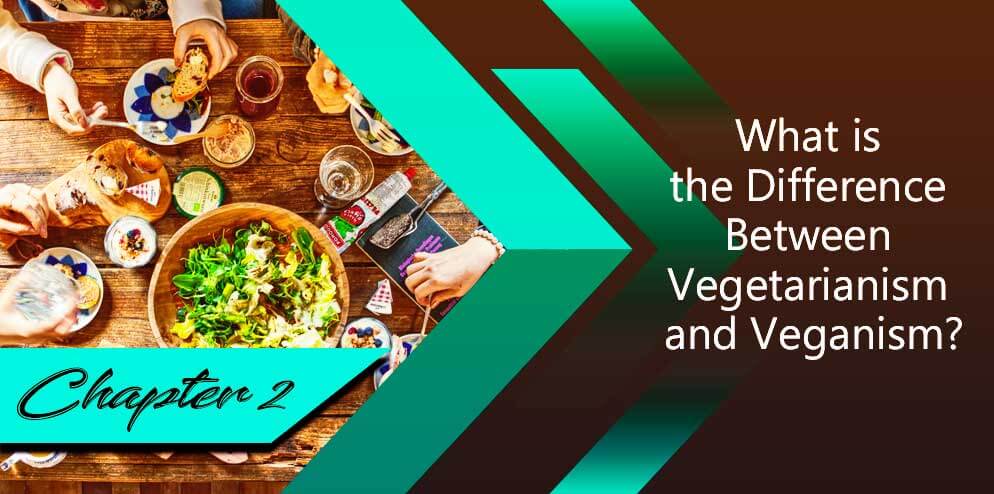
A common question that many people have is, what is the difference between veganism and
vegetarianism? A lot of people may get confused and think that they are the same thing, when in fact
they are vastly different.
To begin with, there are several different categories for vegetarians. Lacto-ovo vegetarians include
lactose and eggs in their diets. However, they will not include meat products or poultry into their diets.
Lacto vegetarians will not include eggs in their diets, but they do consume dairy. They also prefer not
to eat other animal products. Then we get to vegans, who will not eat any egg or dairy products, or
products that have utilized animals in any way whatsoever.
There are many people out there who call themselves vegetarians even though they will occasionally
eat meat here and there. Some may not consider eating seafood to be a meat, so if you are going vegan
you may find that you get the question, “Do you eat fish?” a lot. Just do your best to be polite when
discussing your diet choices. Many people are unfamiliar with the vegan lifestyle, and the more
compassion you show to them for being curious, the more likely you will be to receive compassion in
return. Isn’t that what going vegan is all about?
A lot of people don’t know the difference between vegans and vegetarians, so rather than asking if a
food is vegan, which may cause people to answer in the mindset of “no, there isn’t any chunks of meat
in this,” versus, “No, there are no animals or animal byproducts present in this dish.” That can cause
some strife, not just for the vegan but for the person who is attempting to be hospitable. Sometimes it’s
just easier to say that while you appreciate the good intentions, you are going to be providing your own
foods at certain social gatherings or events, that way there is no mistaking what it is that you are putting
into your body.
A person who thinks a vegan diet and a lacto-ovo vegetarian diet are the same thing can easily violate a
vegan’s boundaries by feeding them things that may have cheese or dairy in it because they
misunderstand the meanings of the words or they simply haven’t looked into it well enough. What is a
lacto-ovo vegetarian you may ask? A lacto-ovo vegetarian is someone who does not eat meat, but who
does eat animal byproducts such as cheese and eggs. They have not cut out dairy from their diets the
way a vegan would. It’s an easy mistake to make, especially for those who are uninformed.
There are other types of vegetarians as well. Some are called ovo-vegetarians and they eat only eggs
and non-meat products. Lacto-vegetarians don’t eat meat or any eggs or egg products. And then of
course there is the flexitarian, who eats a mostly vegetarian diet but every so often will include meat in
their diet. Another thing a lot of people consider vegetarianism is pescatarian, which actually means a
vegetarian diet with the exception of eating fish. That is probably why a lot of people think that being
vegan or vegetarian can mean that you still include fish in your diet. So this may be a question you get
a lot once you have adopted a vegan lifestyle.
There is no shame in any way you choose to live your life or the diet that works best for you and your
body’s specific needs. It is important not to shame others for the way they live their lives, especially if
you want to begin to create a more tolerant world that is accepting of the ideologies veganism often
stands for. By being receptive, we create a more receptive world that is more likely to listen to our
point of view in a way that doesn’t feel threatening to them so they may choose one day to try it for
themselves and see how it feels. Even just a single meatless Monday can be a huge step in helping to
eliminate needless suffering in animals.
That isn’t to say you have to associate with people who make you feel ashamed to live the way you
choose to live and for the way you eat. Treat others as you wish to be treated. And just as no vegan
wants to be in the position of the suffering animals, neither do they want to be in a toxic atmosphere
where people are making them feel ashamed for the choices they make. If you find that you are in a
toxic environment then you would do well to find a way out as quickly as possible so you may begin to
live your life in a healthier way.
Once you have decided what label best fits you in terms of your diet, it will be easier for you to explain
what your diet is like to those who matter the most to you. Once they understand your specific
limitations then there is a high chance they will do everything in their power to accommodate you,
which can be a great thing.
Now that we have cleared up the difference between vegetarianism and veganism, let’s move on to
applying it to our lives.
Most people assume, wrongly, that a vegan diet is automatically going to be very healthy and good for
you. Unfortunately, that is not necessarily the case. If you are eating vegan, sure, you are probably
going to be getting more vegetables and fruits and leaner protein sources, but that is only if you are
making an active effort to make sure your diet is including the things that are the best for you to eat.
Some vegetarians and vegans get away with eating a carb-filled diet that simply includes cutting meat
out and still eating the unhealthy Standard American Diet. This diet is also referred to as the “SAD”
diet, because it is severely lacking in nutritional content and is high in saturated fats and other things
that are detrimental to your body. They think that by living without meat, they are still making healthy
choices for their bodies.
Unfortunately, that really isn’t the case. Exempting meat from your diet doesn’t automatically make
you a healthier person. In fact, if you aren’t paying attention to your diet, it can become very
nutritionally deficient. There are certain nutrients that vegans have to pay close attention to. They need
to make sure that they are getting these vitamins and nutrients from sources outside of meat, otherwise
their bodies can begin to slowly suffer.
Vitamin deficiencies are no laughing matter. The most important vitamins and nutrients for vegans to
pay attention to are iron, vitamin B12, vitamin B6, and omega 3 fatty acids. It would also help to make
sure you are getting enough protein from plant sources, such as soy. Diets lacking in animal proteins
and other animal byproducts can easily cause deficiencies that, over time, can lead to anemia and heart
problems, among other things.
It is very important for vegans to plan out the ways they will get foods that are fortified with these
minerals. You can look into supplements, but of course eating these things in foods is the easiest way
for your body to absorb nutrients. For example, rather than taking an iron supplement, which can
sometimes cause gastrointestinal discomfort or constipation, you might instead look into foods that are
high in iron, or fortified with iron so that you know for sure that you are getting all of the vitamins and
minerals your body needs to remain as healthy as possible on your new diet.
It is a huge mistake to assume that simply having the will to cut meat out of your diet is going to equate
to a healthy lifestyle.
However, it is true that cutting meat out of your diet will help you lose weight somewhat drastically,
depending on your body type. Still, you would of course benefit from a healthy lifestyle that includes
exercise and a good grasp of the vitamins and minerals that you are getting. Talk to your doctor about
getting a physical and bloodwork done to keep an eye on the nutrients that you may or may not be
deficient in. That way, you will always be ahead of the game and prevent yourself from any potential
deficiencies that could affect you later in life.
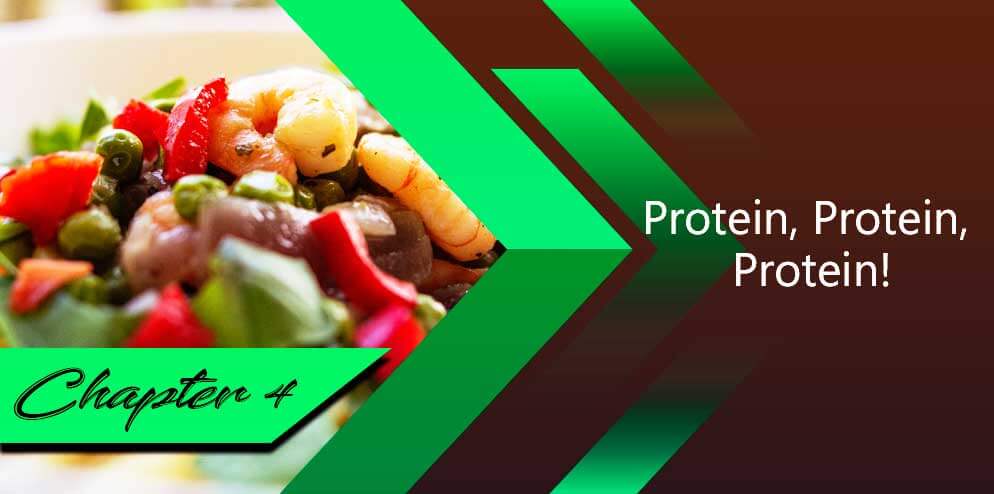
Most vegans loathe the protein question, although it is fair. It can be difficult to build strong, healthy
muscles without enough protein in your diet, and a lot of people have an image in their minds of vegans
being sickly and feeble because they are simply lacking in the nutrients that are abundant in a diet that
includes meat and meat byproducts.
Fortunately, there are many sources of protein that are not necessarily meat-based, and as a vegan it is
important to know what they are. Some of these foods may end up being an acquired taste, but they do
the trick none the less. One popular protein choice for vegans is seitan. Seitan is certainly filling, and is
made primarily of wheat gluten. You can make it for yourself or buy it pre-made and flavored. Both
options are good, and can create very hearty meals that are similar to the kinds of meals you have with
animals on the plate, minus the cruelty!
Tofu and other soy products contain protein as well. While many people do not like the taste of tofu,
others find that soy products can be very similar to the foods they are missing when they are prepared
well and flavored properly. Tofu is like a blank canvas, and when given the proper treatment, it can
emulate several different types of dishes. That is what makes it a very popular choice for meat
substitutes. Eventually you may find that you get used to the flavor of soy products and that you hardly
miss meat at all!
Another source of protein that many people overlook is plant proteins. Plant proteins can be found in
many vegetables, including but not limited to leafy greens, edamame, and green peas. Getting a lot of
these foods in your diet can be incredibly beneficial for any vegan.
Significant sources of protein include beans and lentils, chickpeas, hempseeds, and several other grains
as well. Spirulina can also contain nutrients that are crucial for vegans, including protein. Spirulina is
from the sea, and is made of seaweed concentrated often into a powder. This can make a great addition
to morning shakes and smoothies.
Tempeh is another good source of protein and a good, filling option for those who want to live on a
cruelty free plant based diet. While the taste may be unique at first, it can be a great substitute for those
hearty foods that you may begin to miss when going on a plant-based diet.
There are all kinds of sources of protein for any vegan who wants to look for them. It can be very
important to include this essential nutrient into your diet, but if you are doing well at keeping up on
your nutrition and including these sources of protein in with the foods you eat on a daily basis, then you
should have no issue in gaining muscle and maintaining proper health!

Building new habits is probably one of the hardest parts about beginning any new lifestyle. A vegan
lifestyle is particularly challenging at first because you often go from not paying much attention to the
ingredients in your food to having to do a lot of research to figure out what all those ingredients on
boxes of processed foods are and whether or not they may be ethical or healthy.
Much of the time, going vegan is most easily achieved by cutting out these processed foods altogether
and sticking to fresh fruits and vegetables and plant proteins to make up your daily meals. This can
make going vegan much easier.
Regardless, starting new habits can be challenging, and sticking to a vegan diet may prove to be
difficult. Especially if you have an emotional attachment to certain foods. But that doesn’t mean you
have to give up everything you love. It simply means that you have to get used to making compromises
and learn to be happy with the replacement ingredients while maintaining loyalty to the foods as a
concept.
Most of the time, building a new habit takes a fair amount of time. Some people may pick certain
things up more easily than others, and that is okay too. One person may struggle on a weekly basis with
a vegan diet or temptations of foods that contain animal proteins or meat byproducts, while others may
be able to quit cold turkey. Either of these is okay, and it doesn’t make one person more or less vegan
than the other to simply have cravings or meals that they miss deeply. Food is a very personal topic,
and judging others for their relationship to it is unproductive and cruel.
Instead, focus on the ways you can begin to build healthier habits for yourself and things you can do to
stay on track with your vegan diet.
One of the best things you can do to begin building your habits is to maintain accountability to
yourself. If you want to be vegan but you know that you are still cheating with foods that are not vegan,
make sure you are owning up to it. Maybe you can tell a friend or family member who is
compassionate to your goals about your conflict and air it out. you can ask them to hold you
accountable and ask you questions such as, “what about your vegan lifestyle?” or “is that a vegan thing
to do?”
This way you are forced to confront the consequences of your actions head on and take responsibility
for the fact that the choices you are making are not in alignment with your goals.
Another thing to do to make sure you are building habits that will last is to start slow. Rather than
trying to make a lot of big changes at once and overwhelming yourself, maybe it would be better to try
to make gradual changes. This can be especially helpful when it comes to your diet. If you are not
familiar with a lot of vegan food options, then suddenly cutting yourself off of meat and trying to do a
lot of new meals at once can be very difficult. If you want to make choices that will stick, you have to
make sure that you are not overdoing it.
Instead of transitioning overnight, you may find it helpful to begin to integrate new positive habits in a
more gradual manner. Start with one night of veganism a week, for example, then steadily get into the
habit over time until you are doing it every day without the pressure of trying to make sure that you are
doing it right without having any idea what kinds of foods you enjoy eating. By incorporating foods
that are vegan into your diet without the pressure, it can make it a lot easier to stick with it long term if
you fear this may be the kind of thing you struggle with.
Building healthy habits takes time, so another thing to remember is to be patient with yourself. Allow
for mistakes and slip ups. Be kind to yourself and remember that there is no timeline for something like
this. It is a personal goal and it is up to you how to approach it. Don’t let anyone else shame you or
make you feel bad if you are not going based on their timeline. You are doing this for yourself, and
ultimately, for the animals. So do it right and don’t shame yourself!
If you find yourself craving meat a lot, you can also attempt to fine-tune your habits by interrupting
cravings and other thoughts about meat with different thoughts. For example, if you find yourself
thinking about how delicious a steak might be right now, perhaps you could interrupt that thought with
a quick fact check. Look into the realities of slaughterhouses and factory farms. Condition yourself to
associate the negative realities of the meat industry with your food choices. Soon, you may find that
meat doesn’t seem quite so appealing anymore!
It can take anywhere from seven days to a month to build a new habit, so be patient with yourself
throughout the process. Remember, eating meat is probably something you have done the majority of
your life. You aren’t going to suddenly stop wanting things that were enjoyable at one point. You are
making this choice for personal reasons, so don’t worry about these cravings. They are natural and
many people never get over them. But in working on building healthier habits, you may find that the
cravings are not as bad as they once were.
In fact, eventually, you may come to love the new foods in your diet so much that you hardly even
think about meat anymore. Veganism is a way of life, and this new lifestyle can be incredibly rich and
rewarding. Surrounding yourself with other people who share your mentality is another great way to
hold yourself accountable and stick to your guns. They can often give you little tips and tricks to help
you along in your journey, and sharing your experiences with others can make it a lot easier to get used
to the changes you are going through!
Just be patient with yourself and remember exactly what it is about veganism that you find so
appealing. Don’t talk yourself out of something because it is overwhelming at first to make such drastic
changes in your life. Instead, take it one step at a time and find peace and confidence in knowing you
are on the path you chose for a reason!

Veganism is very much about finding your morals and sticking to them. Sometimes, we don’t know
what we are passionate about until we see something that we realize we do not want any part of.
Veganism often hits us hard as a way not to participate in the deliberate slaughter and sometimes
torture of innocent animals.
Or maybe it’s about holding corporations accountable for their practices and creating more rigorous
guidelines for them to follow. Perhaps going vegan is not just about the animals for you, but for the
environment as well. Maybe understanding how factory farms can pollute the water supplies and create
extreme deposits of methane gas that can wreak havoc on the ozone layer is as much of a motivation as
preventing the needless suffering of animals to serve a purpose that isn’t entirely necessary in today’s
day and age.
Back when surviving was difficult, humans as a species utilized animals in many ways to ensure their
survival. Things are not that cut throat anymore. We have many options now that once didn’t exist, and
a better understanding of the way that nutrition works. If we don’t want to eat meat, for whatever
reason we choose, we don’t actually have to eat meat. While it is of course important to look after your
health and make sure you are getting the essential vitamins and minerals to ensure your body is
functioning to the best of its ability, the same is true of anyone. People eating a meat-based diet have to
watch their health as well. It is easy to get high cholesterol and other issues that can cause heart attacks,
which are the leading cause of death in the United States alone.
To make going vegan the most valuable for you and ensure the likelihood that you are going to be able
to stick with it, you need to sit down and really think hard about what it is you would stand for. If
someone looked at you and asked you what you believe in this world and what you are doing to back
up those beliefs, what would you tell them? Are you on the road toward being the person you want to
be? Are you doing things that make you proud? Do your choices reflect your values?
It is one thing to agree with something morally. It’s quite another to see the implications of your
choices and avoid a life of hypocrisy. For example, if you agree that sweat shop conditions are horrible,
but still wear clothing that is produced in sweat shops, it is clearly not enough of a value to you that
you are willing to sacrifice comfort and convenience for products that are affordable from sweatshops.
On the other hand, if you know sweat shop labor conditions exist, and you do research into brands that
do not support it so you can wear clothes comfortably knowing that you are not making it possible for
sweat shops to continue operating, at least not with your money, then this is clearly a value you care
about and you are going the distance in practicing your values. Money talks.
Watching documentaries is a good way to get informed about the way the world works, and business
practices that make products easily accessible but that cut corners and often hurt people, and animals,
and the environment, in the process. You can learn a lot about the way things are run and how you can
make a difference by speaking out about it and boycotting the businesses you know are guilty of things
that you do not agree with. Every little bit can make a difference, and finding fair trade goods and
living a healthy, ethical lifestyle is possible.
Once you know what it is you stand for, then you will start to learn more about what it is you are
against. If you are willing to sacrifice conveniences and other things that are comfortable to you in your
life in order to stand by your ethics in every possible way, that strength of character will be something
you will always have to fall back on. It feels good knowing the choices you are making are not
indirectly causing harm to others or the world around us, and it makes it that much more likely that the
choices you make will have a lasting positive impact, on you and on your community as a whole!
So sit down, get out a sheet of paper and a pencil, and get to work in identifying your personal values.
Once you have done that, you can watch documentaries or look online for ways that you can begin
really applying your values to your life.
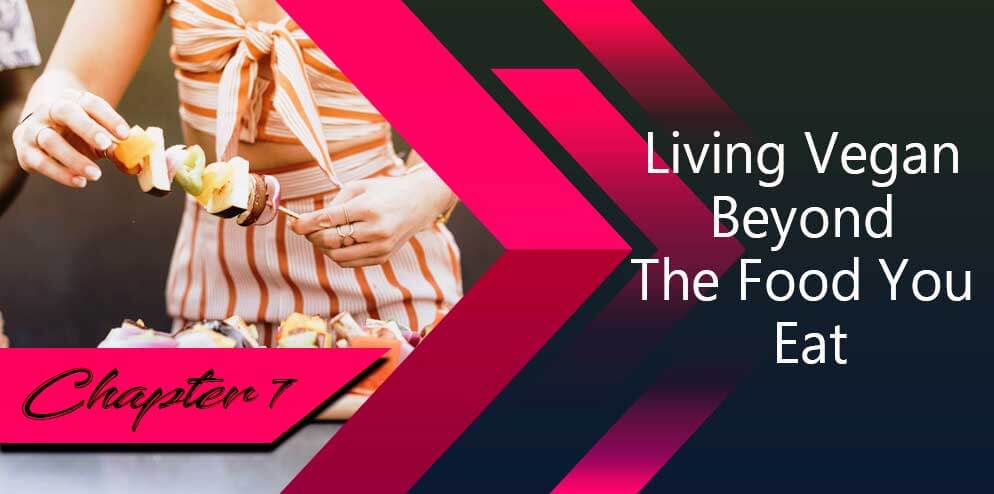
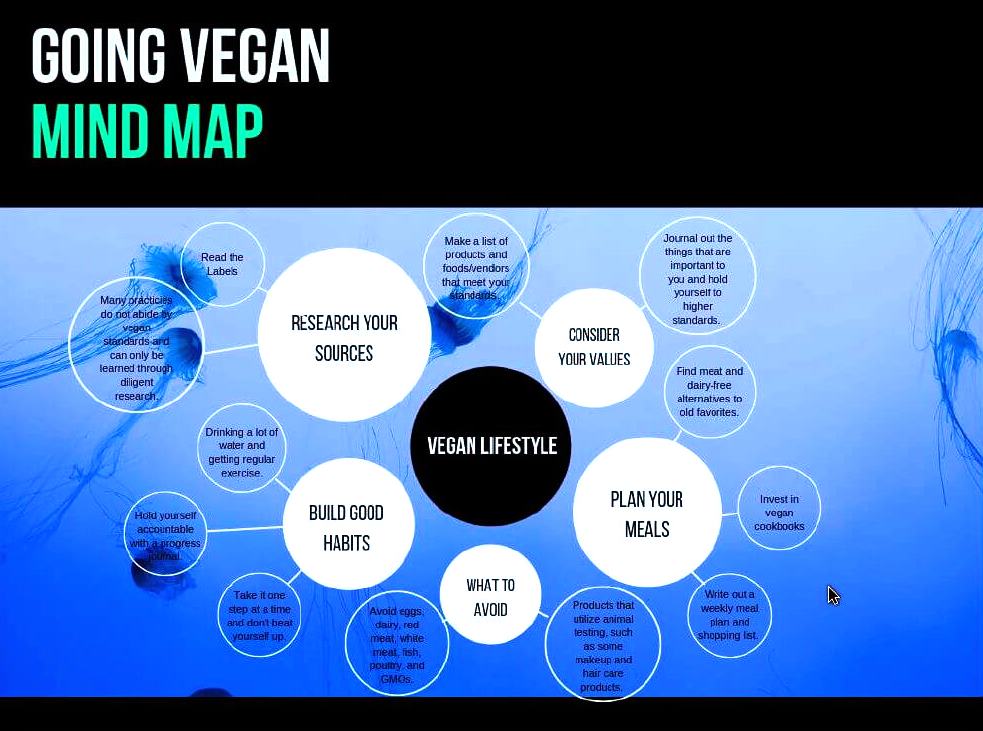
Many people may not realize that living a vegan lifestyle is something that goes far beyond the menu
you allot yourself. A vegan lifestyle not only looks for vegan foods, but also vegan products. Animal
testing is a horrific practice, and most vegans are very knowledgeable about how it works. There are
many ways that animals are mistreated all for the sake of fashion and vanity, despite there being
alternative approaches to making sure that products work before they are distributed to the masses.
The realities of the conditions animals live in are unbelievably cruel in many cases. Eye makeup is
often tested on rabbits, and if enough rabbits die, they continue to do the same test over and over again
until the allotted number of rabbits survives the test. This is just one small example of why animal
testing is so bad. And vegans will usually go out of their way to make sure that the products they use in
their lives are not associated with such cruelty.
There are several lists online that can be helpful when discovering what products are considered vegan
friendly. You can also look into your companies using this method and learn what their stance happens
to be when it comes to animal testing. You have to be conscious of all sorts of things if you want to live
a vegan lifestyle.
Another example of something that vegans give up is wearing leather. Leather comes from the skin of
dead cows, and it is strictly not vegan. This can sometimes make it frustrating to find things to wear or
handbags and purses to carry, or even shoes that look and feel the way you might want them to. But if
you are serious about living a cruelty-free lifestyle, a vegan will generally oppose of animals being
killed and utilized in any way for human purposes. That means looking into different materials to wear
for shoes or clothing, or to use for their handbags.
It is easy to find other althernatives that look good and serve the same purpose as leather products.
While some fake leather products exist, they generally don’t last as long and can get worn out easily. A
better compromise to make in these cases might be an investment in a different material, such as cotton
or canvas. They can also look great and do not come with the guilt of knowing that it once used to be a
living thing.
A vegan lifestyle includes many of the choices that you make during daily life. There are always going
to be ways around using animals and animal byproducts. But one thing you should be wary of is
greenwashing. Greenwashing is what a company does when it wants to market itself as being
environmentally or ethically friendly without actually meeting the requirements to be defined as such.
They will sell products for a greater value than they are worth with the promise that they are made with
humane practices, when in reality they are no different from the other products they sell and have no
basis to be defined as “green.”
While it is an unethical practice, it is one that they can benefit greatly from. The best word of advice in
this instance is to research very carefully before buying into the marketing hype of one product or
another. Companies know that people want to buy green and to be conscientious of the animals and the
environment. They have found a loophole and a vulnerable market who is willing to pay more for
better products that align with their principals. Do not let yourself be fooled by this clever, albeit
disgusting, marketing gimmick.
Many places hide their less ethical practices from the public, so it often comes down to vegans who are
dedicated to going undercover to see the realities of the deplorable conditions of the places that are
abusing animals. There has been video uncovered of members of a Kentucky Fried Chicken
slaughterhouse abusing chickens by throwing them against walls and causing them needless pain
before their execution. Many people boycotted KFC after this footage was uncovered.
You can find all sorts of grisly information if you look. There are always people out there working to
improve society and going places where it is unpopular for them to go so that other people will know
the horrifying truth and seek to create a better world by withdrawing support from companies that
allow such horrifying practices. A simple internet search can lead you to these reports, or you can
watch documentaries or speak to other vegans about the things they know. Sometimes, those in your
community can be an invaluable source of information, especially when you are still new to a vegan
lifestyle.
Fortunately, there are many people out there who understand how horrible it is to allow such bad
conditions for animals and the environment, and they work hard to bring products into the world that
do not have any negative impact on animals. You can also research these innovative companies and
invest your time and money into their products. Just beware of greenwashing by making sure that the
companies you wish to support are making specific statements about what they do and do not do, and
avoiding anything that is too generalized or outdated. Again, asking around the vegan community for
tips on which companies are the best to support can be invaluable.
Most of the time, investing in local markets is a great option. You can investigate the origins of your
products yourself while supporting your local economy. This helps to create jobs in your area and keeps
businesses afloat amid all the commercialized branches out there that are monopolizing our society and
bringing large scale consumer goods from places that may not care how animals, people, or the
environment are treated. Not only that, but it can be very rewarding to form a relationship with a local
business and support someone you genuinely care about.
Once you have found the companies that make the products you want to support, then you will truly be
living a vegan lifestyle. A good way to find quality products is by turning to your community. If you
know other people who live a vegan lifestyle, ask them the kinds of things they buy and what their
favorite companies are and why. You may end up getting a lot of great advice and a good direction to
begin with. otherwise, doing research is a great option, and testing the products for yourself through
trial and error can also help you determine what is right for you in the long run.
Whichever companies you decide to support, make sure that you are happy with your choice and that it
helps you to feel confident and happy knowing that you are spending your money in a worthwhile
manner rather than in supporting practices that you find unethical or cruel. That is what living a vegan
lifestyle is all about!
Meal planning is one of the most difficult parts of any new diet. If you are having a hard time finding
vegan foods that you like, this will be extra tough for you. But if you already have an idea of the kinds
of foods you want to eat, it may take some of the painstaking work out of it for you.
Before you begin planning out your meals for the week, it helps to have a good idea of the vegan foods
you like enough to eat on a regular basis. If you are entirely new to the vegan lifestyle, starting out with
a whole list of meals that you have never made before is going to prove to be fairly overwhelming. You
want to make a meal plan that you can follow, not one that is going to give you anxiety and stress
because you don’t know where to begin, or because you have to start cooking brand new meals every
single day that you have never tried before.
Before getting a meal plan started, instead consider testing the meals gradually until you have a good
idea of what it is that you like the most as far as vegan foods go. Learn what the different types of
protein sources taste like and how much of it you need during a meal to feel satiated. Experiment with
the sides and fruits and vegetables so you know what staples to keep on hand during the week. You can
even invest in some frozen fruits and vegetables to keep around just in case you run into a day where
you no longer feel like cooking and you just want something simple and easy.
That is a key to creating a successful meal plan. You have to count on being human and having at least
one day a week where you just are not feeling the whole kitchen thing. Have a few easy meals in mind
for those situations so that you are still eating something healthy, but something that will accommodate
you for those times when it seems like cooking a new meal will just be too much.
Once you are familiar with the vegan foods you want to incorporate into your diet, then is the best time
to begin working on your meal plan. If you have a good idea of what works and what doesn’t work for
you, you will get through it relatively quickly. You are probably going to want to use a planner to begin
with. they make some that are specific to meal planning, so investing in one of these may prove to be
very beneficial to you.
When you are creating your meal plan for the week, it is important to take into account the foods you
already have available to you. This is especially true of fresh fruits and vegetables, as they will expire
quickly and then no lonver be usable. When eating vegan and living a vegan lifestyle, it often helps to
think in as budget-friendly a manner as possible. so take into account the foods that you already have at
your disposal when you are making your meal plan and find a way to incorporate them at the beginning
of the week so that you are not wasting money buying foods that you are not going to eat.
Once you have taken stock of the foods you have to use, then you can also think about ways you can
make foods that will last throughout the week. For example, perhaps you could make a large salad so
you will have it at your disposal throughout the week without having to make a single salad every day
or however often you like to eat salad. You can also take the time at the beginning of the week to
prepare ingredients so that when it comes time to cook them, they are already prepared. You can cut up
fresh fruits and vegetables for easy access and store them in air tight containers for example so that you
can easiy cook them or throw them into your meals. This is a great way to help you save time and
energy so that planning and preparing your meals throughout the week is less daunting.
Keeping this simple tip in mind, creating a meal plan may become that much easier. Consider keeing
your foods easy to access for when it comes time to cook, and cooking will go by much faster and
ultimately make the process of planning your meals that much easier.
Once you have an idea of the kinds of foods you want to eat on a regular basis, you can break our meal
plan into separate meals and snacktimes throughout the day. If you are the type to exercise regularly,
you may want to schedule a time post workout for you to eat a snack that is enriched ith proteins.
Drinking a lot of water is also a good idea for proper nutrition, and this will be covered more in the
next chapter.
In any event, take your routine into consideration and try to be realistic about when you will have the
opportunity to cook and prepare the meals you need throughout the day. Take this chance to consider
what you can prepare ahead of time for easy access, snacks generally being the simplest things to have
prepared ahead of time. Consider the kinds of things you like to eat in the morning for breakfast, what
you enjoy most for lunches, dinners, and everything in between.
If you are new to veganism and have not invested in a cookbook yet, this is the time to do so. You can
look through these recipes and find replacement meat alternatives and options for meals that you once
enjoyed with meat in them. If you find that you are still hungry after switching from meat to vegan
alternatives, you may be lacking in vitamin B12 and protein, so attempt to include more of those things
in your diet. Take a multivitamin every single day to ensure that you are getting enough of the essential
nutrients you need to survive and live a healthy lifestyle.
You may find that it is also helpful when planning your meals out to think about the time it will take to
prepare the meal and cook it. If you have ingredients you can prepare before it is time to cook it, this
can cut down on the time it takes to get yourself situated throughout the day. If that isn’t possible, it
will at least help you to be able to plan around the times you will need to be cooking and preparing the
meals of your choice.
And don’t forget, there are simple and easy vegan options out there too. You can have a peanut butter
and jelly sandwich for lunch. It doesn’t have to be some huge complex meal full of exotic fruits and
vegetables to count as vegan. There are plenty of things you can still eat that you loved before you cut
meat out of your diet.
Take some time out to think about the foods that you don’t have to sacrifice and include those familiar
staples into your diet and meal plan as well. Veganism isn’t about sacrificing the things you love to do
what is right for the animals, although sometimes that is a big part of it. It is about living your truth and
showing support to a cause that many people turn a blind eye to. You don’t have to be miserable to be
healthy and happy with your lifestyle choices. So think about the things that you can still have and keep
them in the forefront of your mind when you are creating your meal plan.
For the things you loved but are not vegan, you can find alternatives. There is boxed vegan macaroni
and cheese, many varieties of which even include gluten free noodles. You can find vegan deli slices
and vegan cheese alternatives for sandwiches. You can still have pastas and sauces and make simple
adjustments, like instead of chicken parmesan you can have eggplant parmesan with vegan cheese
rather than eating non-vegan cheese. Work on finding alternatives to the meals you most enjoy first and
foremost and then creating your meal plan should be easy.
The hardest part about a meal plan is sticking with it. You have to make sure you are creating a
regimen. This routine should include a shopping list for the weekly foods you have to buy to prepare
the meals of your choice. It should also include setting aside time, realistically, to make sure you are
able to cook and prepare ingredients for those meals. Even if that means cooking the night before you
have a long work day so that when you get home you can have the meal you had planned, even if it’s
leftovers.
You may also find it very beneficial to look into fruits and vegetables that are in season. Buying foods
that are in season is a great way to save money and get more value for your money. If you know of
places locally that sell fresh foods from farms, it is often possible to get huge bulk discounts tha will
help you to save a lot of money in the long run. You can often pay to go out into orchards to collect
fruits like apples and peaches for a fraction of the money it would cost to buy that amount in the store.
If you find that you have a lot of something, you can also look into great ways to preserve the foods for
use in the future. A lot of vegans have become interested in canning foods and making their own jams
and jellies and pickled, fermented foods, which have vast health benefits and probiotics that help to
maintain gut health.
Something else you can do to make meal planning easier is freezing food. There are plenty of meals out
there you can make and freeze for later use. Soups and stews are a great example. You can prepare
foods in bulk for use throughout the week, which is budget friendly and especially useful for those with
a busy work schedule. It is very important to be able to work in healthy meals, so on a day off or a day
you find that you have some spare time, it would be very beneficial to start preparing foods you can
freeze for later. Make sure they are foods you actually like and don’t mind heating up, otherwise they
will take up space in your freezer and never leave.
Give yourself a timeline to eat the meal by to make sure everything stays fresh and avoids freezer burn.
That way you can avoid needless clutter.
Overall, meal planning is something personal but useful. If you know what you are going to eat, it can
eliminate a lot of food anxiety and stress. Especially if you have as much prepared ahead of time as
possible. You may also want to take into consideration whether or not you are cooking for yourself and
children or other family members or friends. Not everyone is going to want to follow you in your vegan
lifestyle, but there are some foods that you can incorporate with meat products as well if you are still
using them to feed someone else. For example, you can include your salads and vegan sides with
animal proteins for just as delicious a meal, and it can still feel like a bonding time through food
because you are still able to share something with those you care about.
Yes, some people will still find themselves cooking meat while living vegan, and that is okay. You have
to do whatever is best for you in your own life and anybody who judges you for that clearly doesn’t
understand what it means to be compassionate. If you are compassionate toward others for their food
choices, they are more likely to be compassionate back toward you! A vegan lifestyle isn’t for
everybody. It can be difficult and costly and time-consuming if you find that researching everything in
your life is difficult. Some people enjoy it more than others. And that is okay.
But as long as you are living your truth, then there is nothing anyone can do to fault you for it. Let them
judge. Either way, you know how to prepare a meal plan and what to do to ensure that you are being as
budget friendly as possible while embarking upon your new vegan lifestyle.
We have covered everything from the essential foods to eat to canning and freezing foods for the
future. Now it is time to think about the most important aspect of the vegan lifestyle: compassion.
Most of us are lacking in compassion for ourselves. We think about everyone else and put others first.
We may put the welfare of animals and friends and family before we put our own needs, happiness, and
well-being. It can be very easy in today’s day and age to completely overlook the importance of eating
healthy foods and getting the proper nutrition. It may be even more difficult to make the time that is
necessary to exercise and hydrate properly.
If you find that these things may pose a challenge to you, there are a few questions itmay be important
to ask yourself. Why do you not feel like you are important enough to take care of? Did you go through
something in your life that led you to believe that you do not matter? How frequently do you find you
put your needs off to help others? Why is it hard to put yourself first?
One thing many people don’t understand, because it is not often taught, is that it is not selfish to put
your needs first. In fact, it is often recommended that to help others, metaphorically, you have to put the
oxygen mask on yourself first. This refers to a plane crash, but the idea is the same. You have to be able
to function as a strong and independent entity before you will have the strength to be able to lift others
as well. Even if you don’t have intentions of taking care of other people, your health should be your
first priority. Everything you do early in life is eventually reflected back at you. As you age, your body
begins to show signs of wear and tear, making an already difficult situation more uncomfortable, and
often painful. You want to make sure that you are making choices that you can be proud of and that will
help you function at your peak potential when everything else begins to slow down.
That is why exercise and hydration are so important. Showing compassion to yourself is a staple of the
vegan lifestyle, and you should always take into consideration the things that will help you thrive and
feel good. Eating right is one big part of it, but you also need to make sure that you are getting exercise
and proper hydration.
A lot of people are concerned that because of a lack of animal protein, you will not be able to build and
maintain muscle mass the same way you would if you were eating a diet that included meat and animal
byproducts. While in some cases this can be true, it is more likely that you will just have to spend more
time making sure that you are getting what your body needs and taking care of what you already have.
Drinking water regularly is essential in maintaining good muscle health. You want to make sure that
you are drinking plenty of water while you are getting exercise, and especially after when your body is
more susceptible to the things that you are putting into your system. Eating more protein after you work
out is another great way to ensure you are contributing to your muscle mass rather than depleting from
it. Having a snack of water and peanuts for example is a good way to end a workout session, as it will
benefit you in your need to maintain good muscle health.
You may also want to include a banana during this snack. Bananas are high in potassium, which can
help your body to retain water and utilize it properly. They also have high amounts of protein and can
be a great staple in any diet.
A lot of people don’t think about how important proper hydration is in maintaining a healthy lifestyle.
But without adequate amounts of water, all of your cells suffer. You are also prone to have cognitive
issues and slower reaction times if you are dehydrated. Not only that, but you will lose flexibility and
ultimately have a higher likelihood of urinary tract issues. Without enough water in your system, you
can also become constipated and have a more difficult time in passing the toxins that accumulate in our
bodies, which can lead to even worse issues with your kidneys and other potential infections that could
easily be avoided if only you are taking better care of your body.
Not only is it very important for you in building muscle mass, but staying properly hydrated is a great
way to help prevent over-eating. A lot of people are very used to the heavy filling meat dishes that they
were raised with and find themselves feeling puckish and hungry when they are left eating a vegan diet.
If you are staying properly hydrated, this can be far less of an issue. Making sure to eat plenty of
protein and drinking water will help you to maintain your weight levels without suffering or feeling
overly hungry.
Exercise is especially important for your well being, whether you are vegan or not. You want to be able
to get rid of the excess toxins in your body, which is something that can be done through sweating and
working hard. You also want to maintain a high confidence level. A lot of the world does not agree with
veganism and will take great pains to put you down about it. You want to make sure you are not going
to take those comments personally or allow it to affect you. Exercise is a proven way to help build
confidence and maintain a positive attitude. It releases endorphins and feel-good chemicals in the body
and brain so that even when you are facing averse circumstances, you are more likely to be able to
handle them with pride.
Not only that but everyone envisions a vegan lifestyle as healthy and conscientious. There is no good
reason to neglect your health. Exercising is something we all need to do to maintain great shape and to
feel productive and happy in our lives. If we are neglecting our bodies, it can lead to negative thoughts
and sometimes even depression. When we are exercising, it is easier for us to stay active and motivated
to fight for the causes that we believe in the most.
If you are hoping to live a vegan lifestyle, including exercise and proper hydration is a must. You want
your good vibes to go beyond just the food you eat. You want to be able to embrace every new day with
a renewed sense of why it is good to be a part of the earth and why it is important to help those who
can’t help themselves. Vegans become the voice for the voiceless, so make sure that voice is strong by
taking care of yourself to the best of your ability. Then you can tell the world exactly what you think of
it without fear, because you will feel the power of your conviction as deeply as it can possibly get. You
can do it!
A vegan lifestyle may not be for everyone, but for those it resonates with, there is generally no other
way to live. Being vegan goes far beyond just the foods you eat. It is a way of life, complete with a
shift in perspective that makes it nearly impossible to support anything that does not align with your
morals.
While this may not set well with people who fear persecution for their lifestyles, those who are able to
see you for who you are and understand that your stance comes from a place of compassion and
concern will be enriched by your choices. It provides them with an opportunity to learn more about the
world around them and the companies that provide us with most of the goods we are used to today.
Vegans have it rough at times. It can be hard to be the only one in the crowd who is saying no to
something. But there are many people out there who feel and believe the same way you do, even if it
sometimes feels like you are standing alone. It is important to speak your truth, even if it is unpopular.
Even if it feels more comfortable to stay silent.
The animals have no voice. Vegans have to be their voice for them. It is a job that most vegans take
very seriously. Even if you don’t end up being an outspoken advocate who will go into a restaurant
demanding vegan options in front of all of your friends, the choices you make with your money count.
Taking support away from businesses whose ethics you don’t agree with not only helps the animals, but
it also helps you to feel better about yourself because you are living in alignment with your values. And
many people can’t actually say that.
That gives vegans an advantage in a world that seems consumed more and more with quantity over
quality, and companies that are willing to compromise the health and safety of humans and animals
alike to make a profit. Vegans can make the choice not to put their money into a system like this, and
instead, support local businesses and fair trade dealers and other entrepreneurs who understand the
importance of a vegan lifestyle.
All of us have the choice to live within our own morals and to set our standards as high as we want
them. Not all of us know how to begin. But by using this guide to living ethically, you will soon be well
on your way to living a vegan lifestyle.
It can be hard to stand up for what you believe in. especially when it is something unpopular most of us
are used to eating meat and are unhappy with the conflict that going vegan can cause. But it is always
worthwhile to do what feels right. Even if it is unpopular.
Now that you have the basics down, you should have everything you need to begin living your vegan
lifestyle today!
The Blog section

My 2020 wishes for you – A Podcast
My 2020 wishes to you all - a Podcast wishing you positive energy for this year Please see the link below this image for my 2020 podcast - Thank you Please use this link to go and listen to my podcast wishing you all the best for 2020.
Discussing 17 photos that show the physical side and symptoms of depression
Symptoms of Depression https://fibromyalgiaclub.workfromhomemembership.com/health-issues/ Symptoms of Depression A video discussion on images that show the physical side of depression and real life examples of what happens to our bodies when we suffer from any form of...

Pain Day Recipe
How To Manage A High Pain Day

Vegan Diet Training Guide – Cheat Sheet
Vegan Diet Training Guide - Cheat SheetHello there. This is a cheat sheet for the vegan diet series I have added here for you as a bonus course. Please read more below, then click on the links at the end to access the full video series. To find...
Fibromyalgia and CBD
Summary of my entire courseHi - So this is a massive question... I admit to finding an image - that I am going to post below - with about 1 minute of research. BUT THE NEXT QUESTION IS HUGE Who of you are using CBD for your fibromyalgia? Please add your comments below...

What causes fibromyalgia to flare or flare up?
Looking into a list of Fibro flare causes Fibromyalgia is a trigger based condition and is constantly under attack from a variety of trigger points that cause flare ups.The most common cause for a flare are the following items list.Stress – Stress is a...

My three day heath issue
My three day heath issue

Just a test post for the health issues page
Nap time today This is just an example post.I am so busy at the moment, and have a ton of client work (this will probably end soon) and need to get this site up and running, and yet had no choice but to have a 90-minute deep-sleep nap. I say deep sleep...